Blog&News
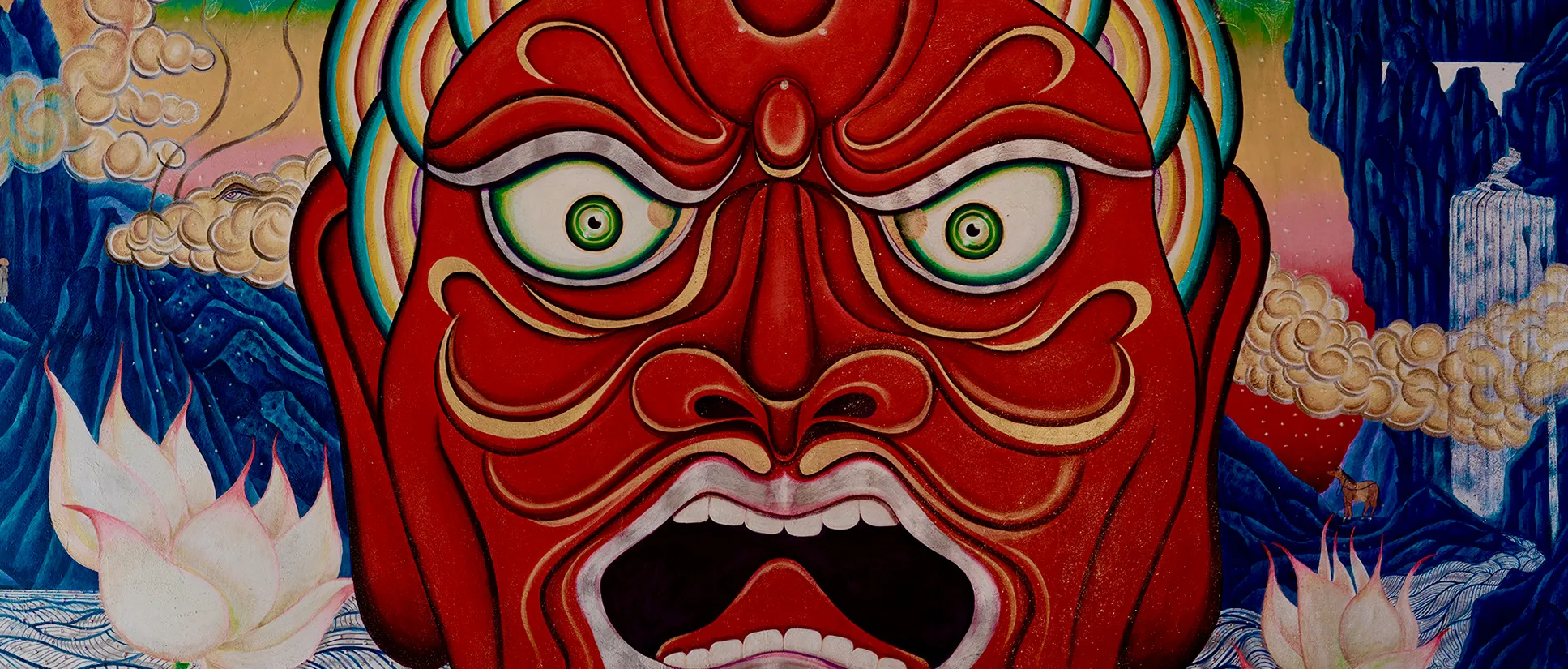
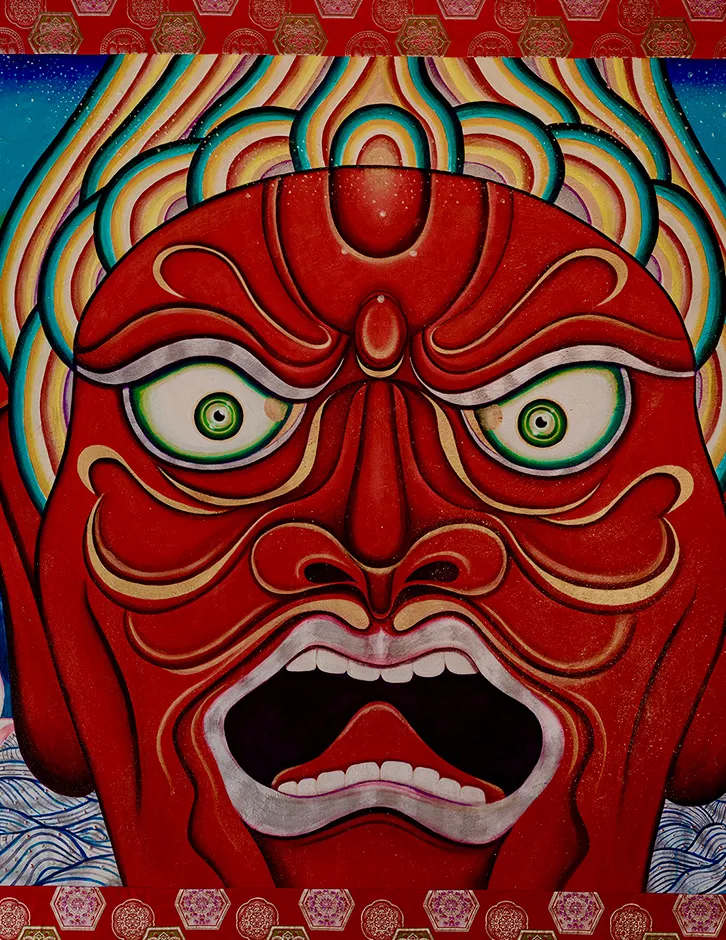
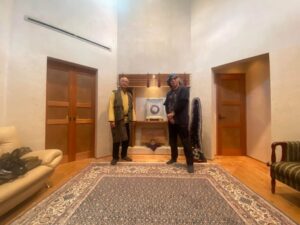
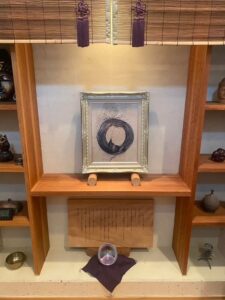
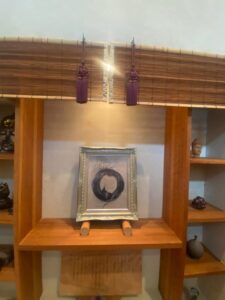
(From Shiozawa’s Facebook on March 20. )Today, I visited the home of Mr. Adachi, the director of an acupuncture and moxibustion clinic in Uzumasa, Kyoto. Mr. Adachi runs a music hall called “Raku-an,” which aims to awaken the body’s natural healing powers and promote physical well-being. There, he carefully enshrined a piece titled “Wave Dragon Enso Diagram,” crafted from Nishijin-ori silk.
Paintings created with passion are woven with care and then reverently enshrined. I feel as though this cycle has truly begun.
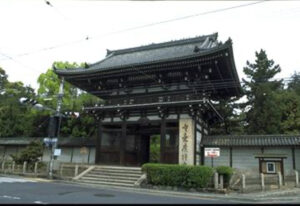
Uzumasa in Kyoto is where Prince Shōtoku and Hatano Kawakatsu founded Kōryū-ji Temple; Ōsake Shrine is dedicated to the deity of silkworms and is the birthplace of Nishijin-ori, one of Kyoto’s most representative industries.
I felt as though I had been summoned by the gods and buddhas, so before visiting Mr. Adachi’s home, I paid my respects at these three temples and shrines. There, I experienced a meeting that seemed like a coincidence but was actually inevitable, and I felt a very mysterious connection and bond with this person.
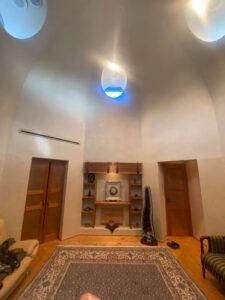
The music hall is meticulously designed to attract divine and Buddhist deities, featuring plaster walls, Mino washi paper, a floor made of cypress wood with charcoal laid beneath it, and a suikinkutsu—a water-filled stone basin lined with crystals—placed in the entranceway.
When I played the handpan I had brought along to purify the work of Nishijinori in this space, a brilliant light streamed in through the skylight.
I intuitively decided to hold a memorial concert for the victims of the Middle East war at this sacred site in the near future, featuring oud and percussion performances. It was truly a blessed day.