

Blog&News
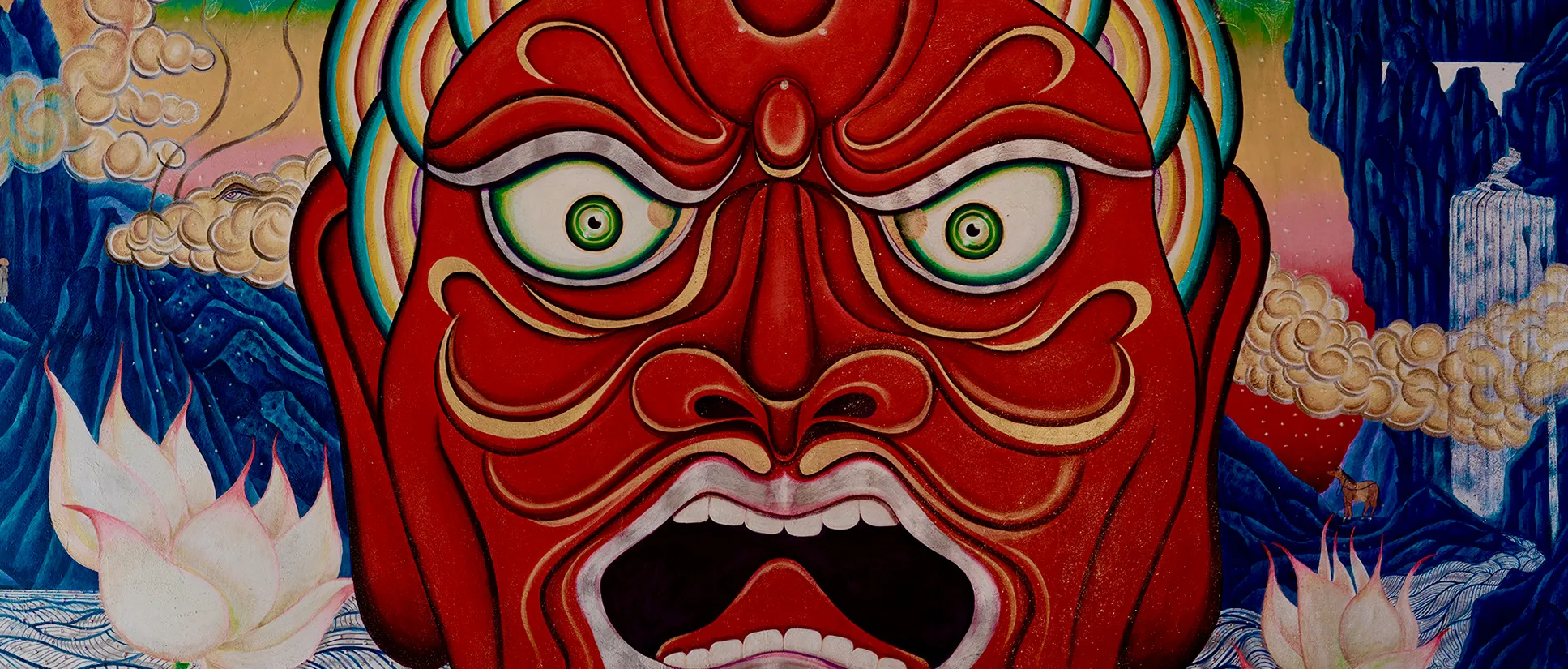
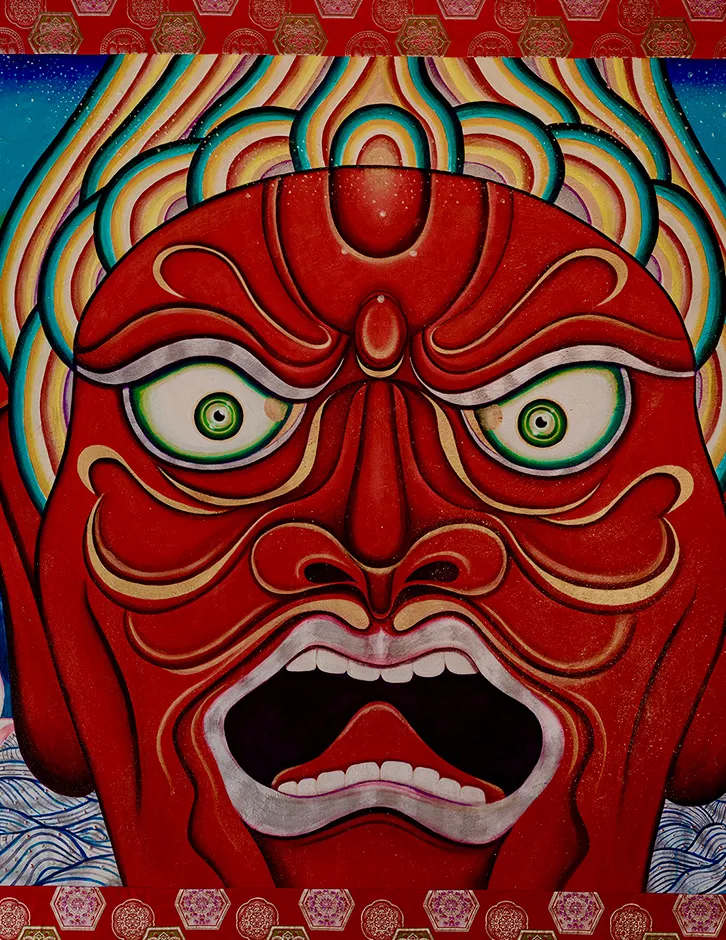

The India Enlightenment Forest Tour began amidst a busy schedule.
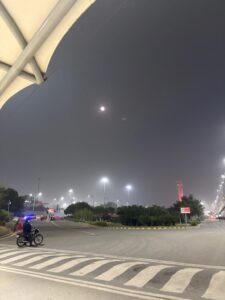
February 1st: After a 9-hour flight, arrived at New Delhi Airport. At the airport, a full moon welcomed us.

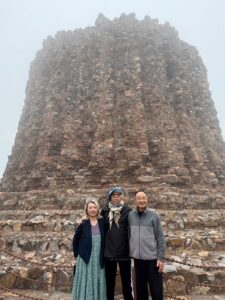
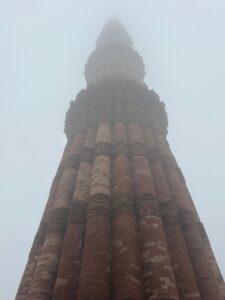
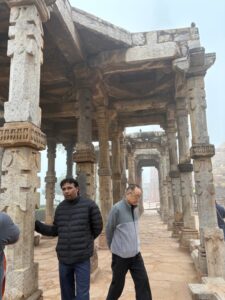
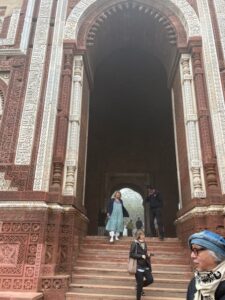
Qutb Minar:
India’s oldest 12th-century Islamic architectural complex. The 12th century marked a turning point with the onset of full-scale Islamic invasions into northern India. Islamic structures were added later to pre-existing Hindu and Jain temples, creating a mixed complex. Built to suppress Hindus and demonstrate Islamic power, it simultaneously dealt a devastating blow to Indian Buddhism, leading to its decline. Traces remain of sculptures brutally chiseled away by Islam’s rejection of idols.

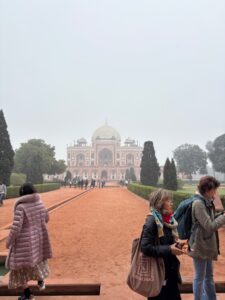
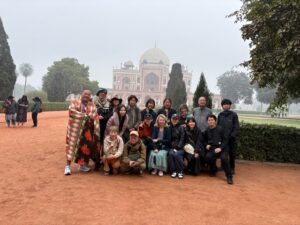
Humayun’s Tomb: A mausoleum built by Humayun’s wife, Iran (Persia), for her deceased husband, the second emperor of the 16th-century Mughal Empire. It introduced Persian architecture to India, a style previously unknown there. It influenced the Taj Mahal.
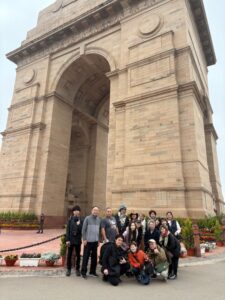
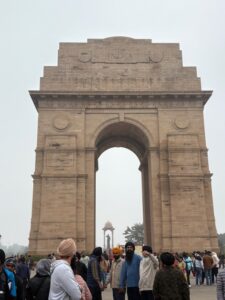
India Gate
In 1858, India was conquered by Britain and became the British Indian Empire. As anti-British sentiment grew in the capital of Kolkata, the capital was moved to New Delhi. This gate was built to commemorate Indian soldiers who died fighting for the British Army. It is a beautiful yet poignant gate, etched with India’s sorrow.
India has possessed fertile lands since ancient times and has constantly been invaded from outside. After coming under the economic control of the British East India Company in the 17th century, the scars of its history of oppression, lasting until independence achieved by Gandhi and others, remain deep even today.
Then there was the tragedy of Gandhi, assassinated by a radical Hindu supremacist. Visiting the ruins of New Delhi, I felt that this country had always been covered in constant struggle.
