

Blog&News
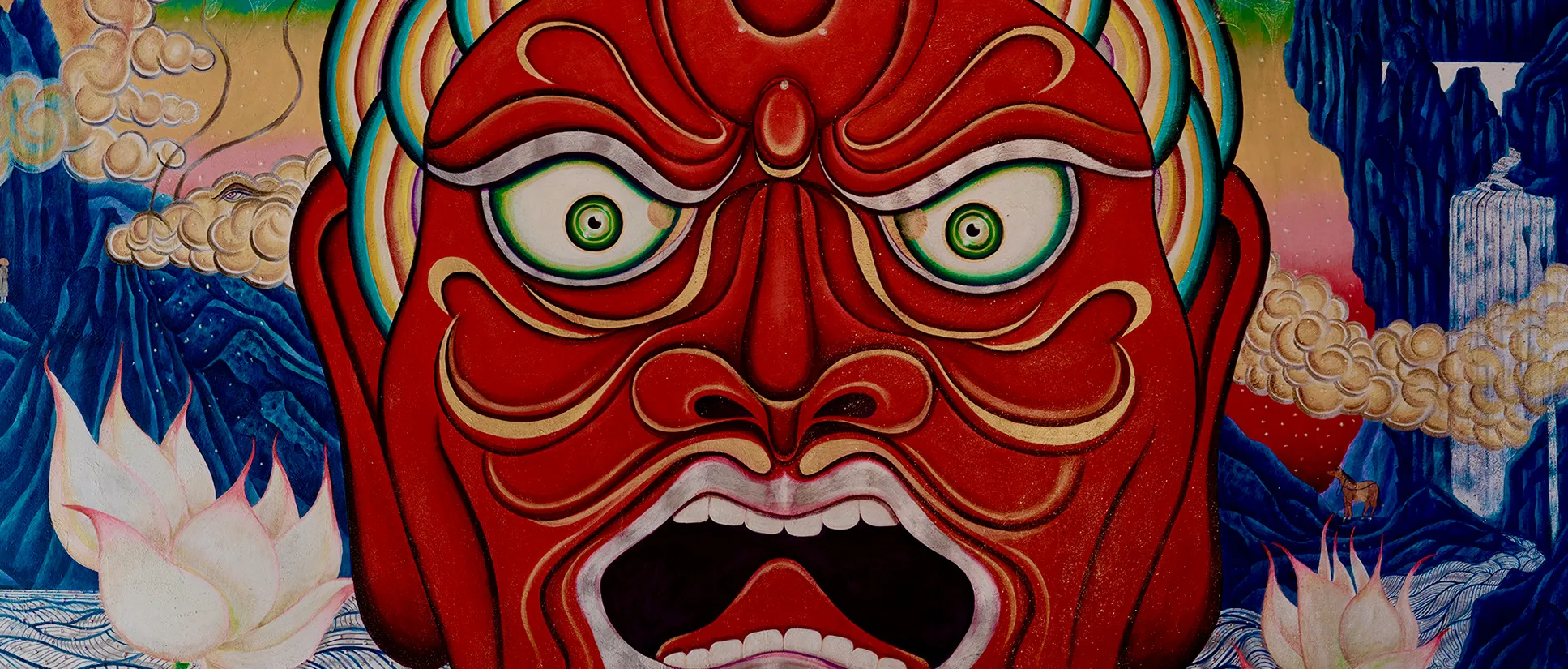
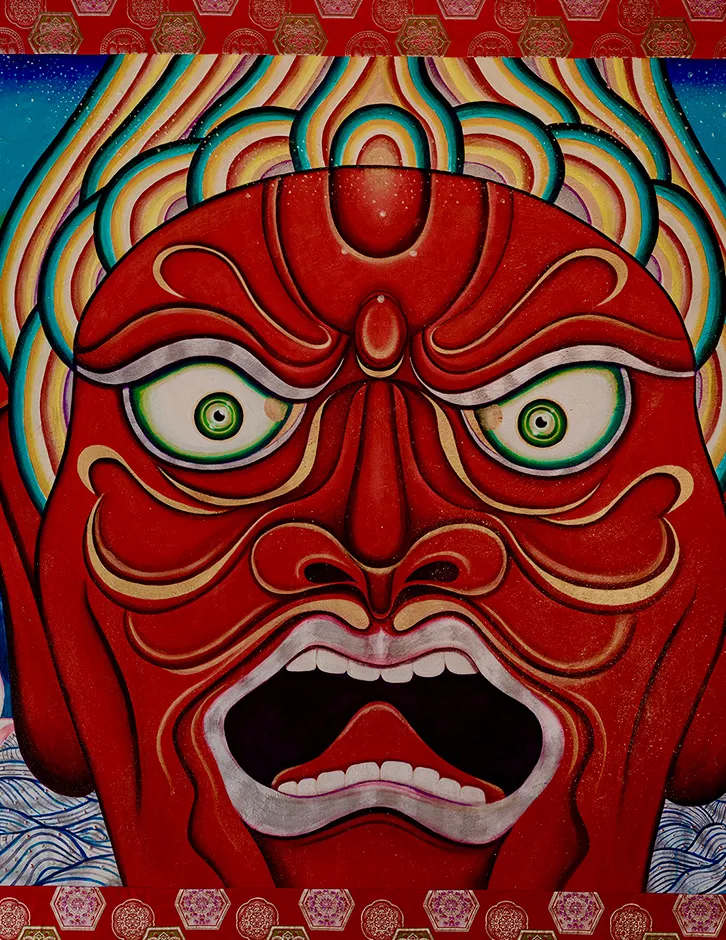
On May 16, we had a meeting regarding the film in Gifu. Mr. Shibata, the cinematographer, was born in Gifu and is based there, and Ms. Tanahashi, the producer, is also from Gifu.
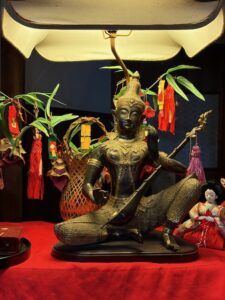
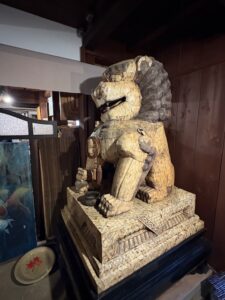
The meeting took place at “Utsuboya,” a café housed in a 100-year-old former paper merchant’s residence.
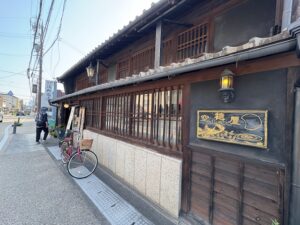
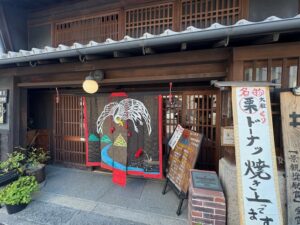
The shop is packed with antiques collected by the owner, who has traveled to 47 countries around the world.
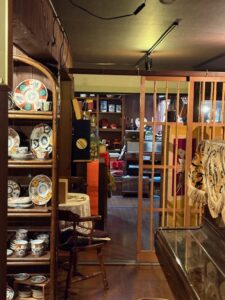
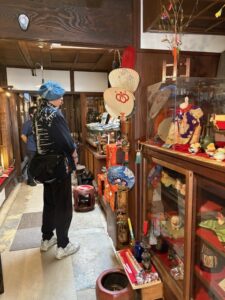
We enjoyed a delicious cup of coffee and some homemade donuts in a café area furnished with antique furniture.
After the meeting, we headed to Tamamiya Street. It looks just like a Showa-era izakaya district, but apparently it’s only been around for 20 years.
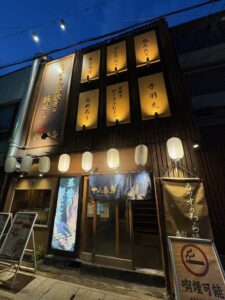
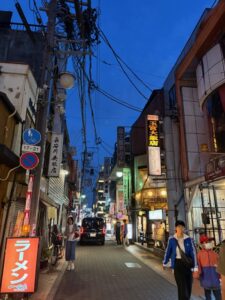
This street used to be bustling with silk and textile wholesalers, but it fell into decline as the textile industry declined. However, in recent years, izakaya bars have opened up, attracting young people, and the number of drinking spots has been steadily increasing.
It seems that the once-famous “Yanase-dori” from the Showa era has been a ghost town for quite some time now. The bubble fueled by Japan’s period of rapid economic growth and technological advancement has burst, leading to a decline in the birth rate and subsequent economic decline; regional cities swept up in this turmoil can be found all across the country. Every time I see a street lined with shuttered stores, I am reminded of Japan’s waning national strength.
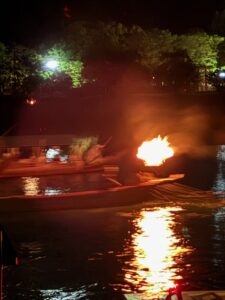
Thanks to the kind arrangement by our photographer, Mr. Shibata, we were able to watch the cormorant fishing on the Nagara River from the riverbank.
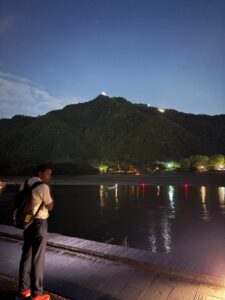

A gentle breeze blows, and the bonfires glowing in the night are magical and beautiful, transporting us back to the atmosphere of the Heian period. How wonderful it is that Japan continues to preserve this culture to this day.
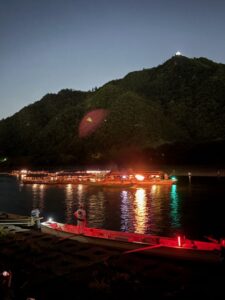
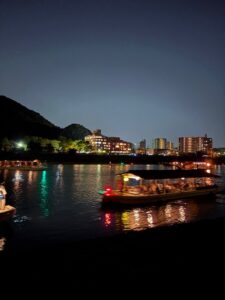
Oda Nobunaga had a deep love for Japanese craftsmanship and traditions, and cormorant fishing was one of them. For him, it was not merely a form of entertainment; rather, it was the ultimate expression of hospitality for his most distinguished guests. It was because he protected cormorant fishing as an important part of Japanese culture that the tradition has survived to this day.
Mr. Shibata’s wonderful hospitality really touched our heart. Thank you so much.
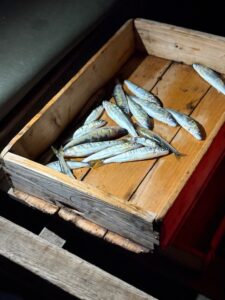
The next morning, We visited Shōhō-ji Temple, famous for its paper Buddha statue.
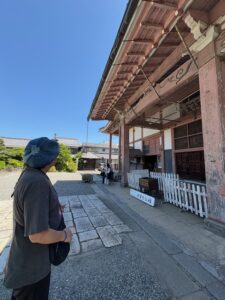
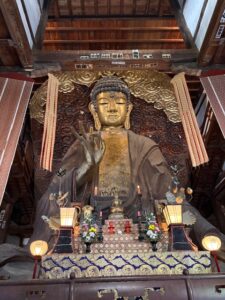
This Great Buddha was created in the late Edo period to console the spirits of those who perished in a series of major earthquakes and famines, and to bring relief to the people. It was crafted by weaving bamboo, coating it with lacquer, covering it with Mino washi paper, and finishing it with lacquer and gold leaf.
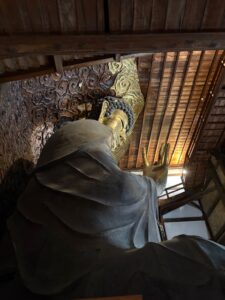
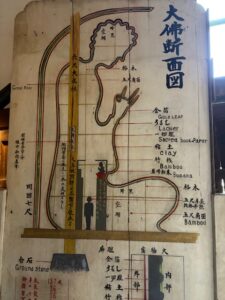
The perseverance and faith of the Japanese people, who spent 38 years completing such a massive structure, are truly remarkable.
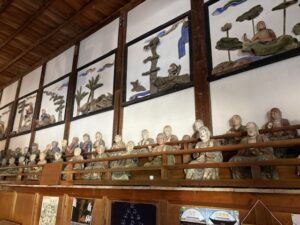
We were deeply moved by that gentle expression, and with that, we wrapped up our trip to Gifu.
